
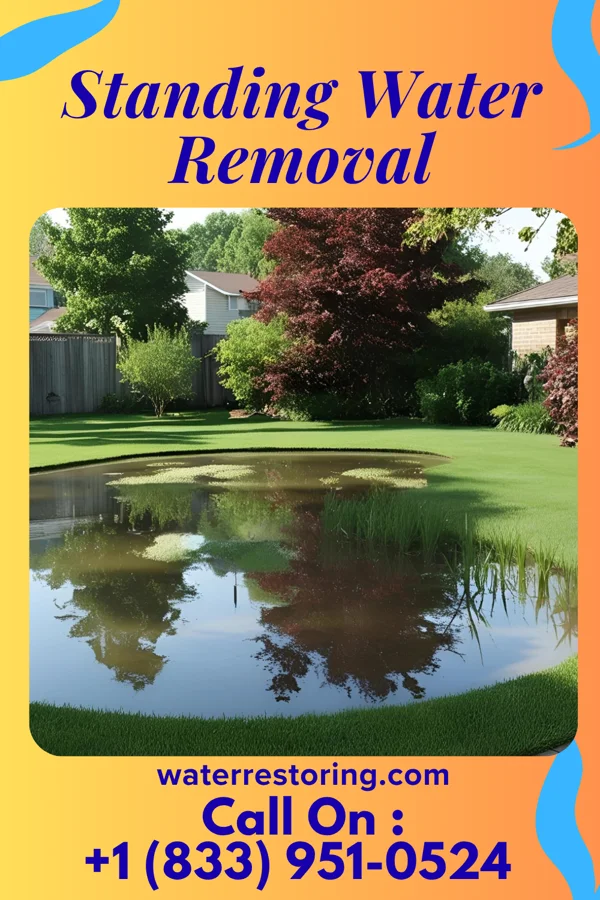
Standing Water Across Rowan Neighborhoods
Every neighborhood in Rowan has a different water damage risk profile. The one that shows up on most restoration calls is In Rowan, Iowa, the primary water damage cause is often due to agricultural runoff from nearby farmlands, especially after heavy spring rains. Additionally, aging infrastructure in rural areas can lead to unexpected water leaks from irrigation systems or septic tanks.. A close second is Secondary causes include flooding from the Cedar River, which occasionally overflows during severe weather events, and water infiltration through poorly sealed basements in older homes. Stormwater management issues also contribute to localized water accumulation..
Rowan's rural setting and proximity to agricultural areas make it susceptible to water damage from both seasonal flooding and irrigation system failures. The region's flat terrain and heavy rainfall during spring increase the risk of standing water in low-lying areas.
Water damage in Rowan follows a few local patterns. In Rowan, Iowa, the primary water damage cause is often due to agricultural runoff from nearby farmlands, especially after heavy spring rains. Additionally, aging infrastructure in rural areas can lead to unexpected water leaks from irrigation systems or septic tanks. accounts for the bulk of our calls. Rowan's rural setting and proximity to agricultural areas make it susceptible to water damage from both seasonal flooding and irrigation system failures. The region's flat terrain and heavy rainfall during spring increase the risk of standing water in low-lying areas. Mold growth in Rowan can quickly become a serious issue due to the high humidity levels and frequent rain events. Prompt water damage restoration is critical to prevent mold from spreading in homes and commercial properties.
For public guidance on the health effects of mold after prolonged water exposure, see the EPA mold and health page.